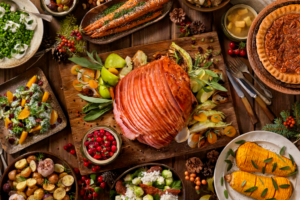
The holiday season brings cookie exchanges, family dinners, office parties, and enough desserts to last well into January. It’s also the season when “healthy eating” advice can feel like one more thing to stress about — right when you’re already juggling shopping, travel, and packed calendars.
Here’s the good news: eating well over the holidays doesn’t mean skipping the pie or white-knuckling your way through your aunt’s mashed potatoes. It means having a few simple strategies that let you enjoy the season and feel good doing it.
1. Don’t “save up” for the big meal
Skipping breakfast to “save room” for Thanksgiving dinner usually backfires — you arrive starving, eat too fast, and miss the chance to actually enjoy the food in front of you. Eat normally throughout the day, including a protein- and fiber-rich breakfast. You’ll make more mindful choices at the table and avoid the sluggish, overly-full feeling that makes an afternoon walk sound impossible.
2. Build your plate with a simple ratio
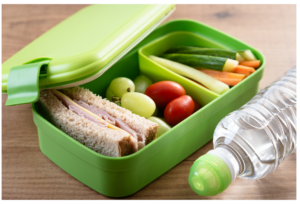
You don’t need to count calories at a holiday meal. A helpful mental model: aim for half your plate in vegetables (roasted Brussels sprouts, green beans, a salad), a quarter in protein (turkey, ham, a plant-based option), and a quarter in the starches and sides you’re most looking forward to. This isn’t about restriction — it’s about making sure the foods that fuel and satisfy you longest aren’t crowded out.
3. Stay hydrated — it matters more than you think
Between travel, alcohol, and salty holiday foods, dehydration sneaks up fast, and it’s often mistaken for hunger or fatigue. Keep a water bottle nearby, alternate water with festive drinks at parties, and don’t wait until you’re thirsty to drink.
4. Keep moving, even in small doses
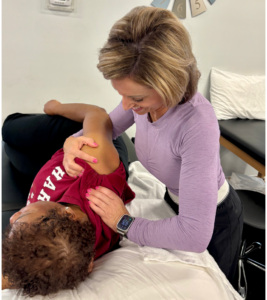
You don’t need a full workout to counteract holiday eating (and that’s not really how it works anyway). What actually helps: a 15–20 minute walk after a big meal to aid digestion and boost energy, stretching breaks during long stretches of travel or sitting, and staying consistent with whatever light movement fits your schedule — even a few days a week keeps your body feeling more resilient through a season that’s easy to spend sitting still.
5. Watch for the habits that outlast the holidays
One holiday meal won’t undo your health goals. What matters more is what happens between the big events — the steady stream of office treats, leftover pie, and “just one more” cookies that stretch from late October through New Year’s. Give yourself full permission to enjoy the meals that matter most to you, and be a little more intentional on the ordinary days in between.
6. Listen to your body, not the clock
Holiday eating often runs on schedule rather than hunger — appetizers at 2, dinner at 5, dessert at 7, leftovers at 9. Check in with yourself before each round: Am I actually hungry, or just eating because food is here? There’s no wrong answer, but the question itself helps you stay present and avoid the uncomfortable overfull feeling that can make the rest of the evening (or the next morning) harder than it needs to be.
A note from Annapolis Family Medicine
Feeling good through the holidays isn’t just about food — it’s about your overall health: your energy, your sleep, your blood pressure and blood sugar, and how your body handles the busier, less structured pace of the season. If you have questions about managing a chronic condition through the holidays, or it’s simply been a while since your last check-in, our team is here to help you head into the new year feeling your best.
Wishing you a season full of good food, good company, and balance that actually feels sustainable.